



Living the sound: Tommaso Bagnati and the value of slowness
In today’s musical landscape, dominated by speed, the digital blur and the relentless circulation of content, the double bass represents an unconventional choice. It’s a large, deep, physically demanding instrument that resists immediacy. For Italian double bassist Tommaso Bagnati, this resistance is not a limitation but a form of existence.
“Playing such an imposing instrument inevitably ends up affecting my daily life”, he explains. The double bass requires space, attention and presence. It cannot simply be treated as an object to carry around lightly: it must be welcomed, almost embraced. “You embrace the instrument and the sound. It’s a deeply physical instrument.”
From this physical relationship with the instrument emerges a new sense of rhythm, a slower one that shapes both music and life. Building a sound, refining technique and finding a personal voice are processes that require time, a time that cannot be forced. “Slowness is a constant in my life”, he says. In an ever-accelerating world, choosing to slow down becomes a conscious act. “You rarely forget what you learn slowly.”
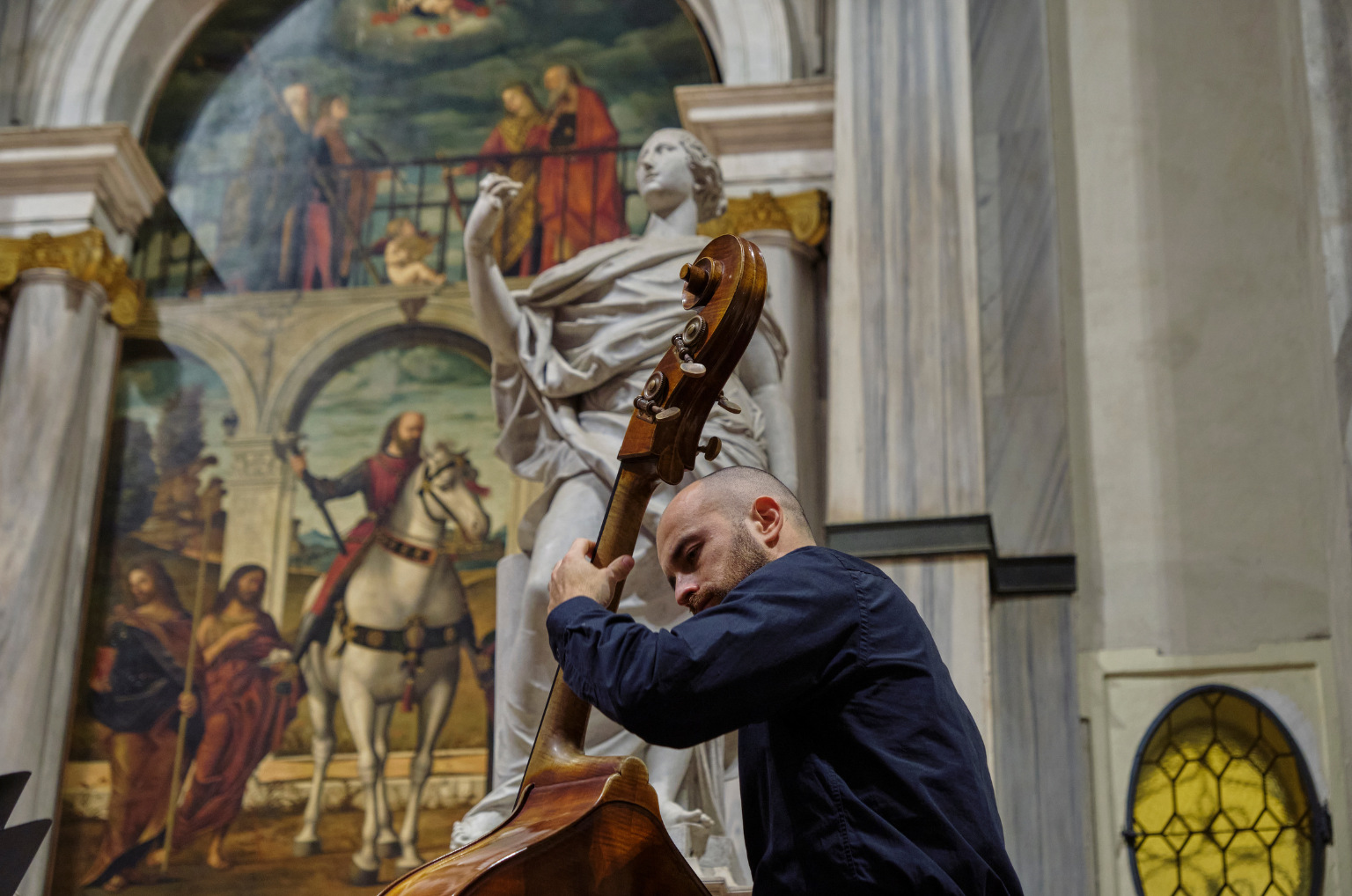
For Bagnati, sound is inextricably linked to places. Music does not need a great concert hall to be meaningful. The rooms you rehearse in, the cities you live in and the spaces you move through every day leave a subtle yet decisive imprint on timbre and on musical identity. Sound thus becomes something you experience, not something you simply produce.
The bond between musician and instrument closely recalls the world of Italian craftsmanship. As with a handmade object, the double bass responds to touch, material and time. The wood, the strings and the resonance require care and respect. “Attention to the smallest details is what leads to great results”, observes Bagnati, summarising a vision in which the process matters as much as the end result.
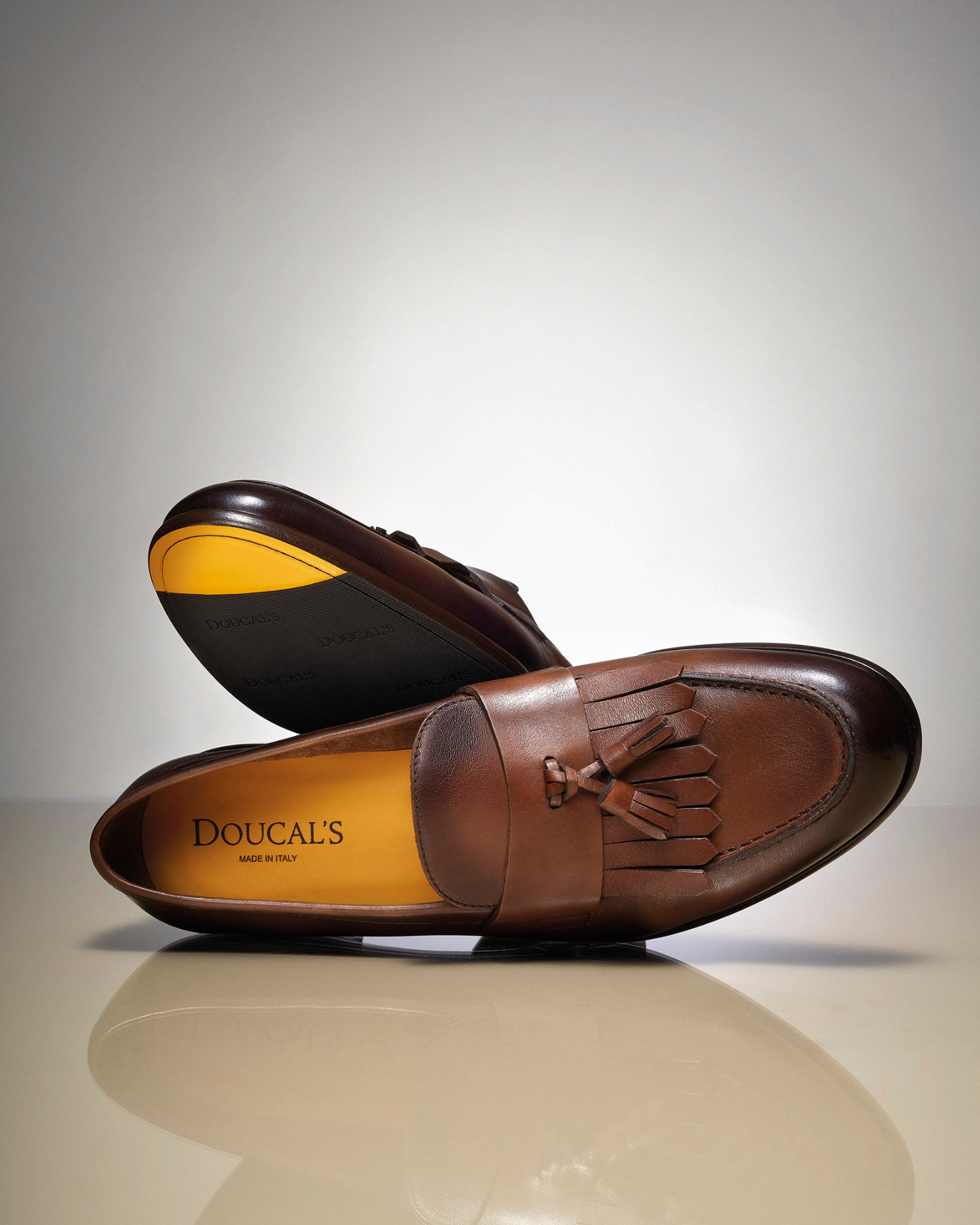
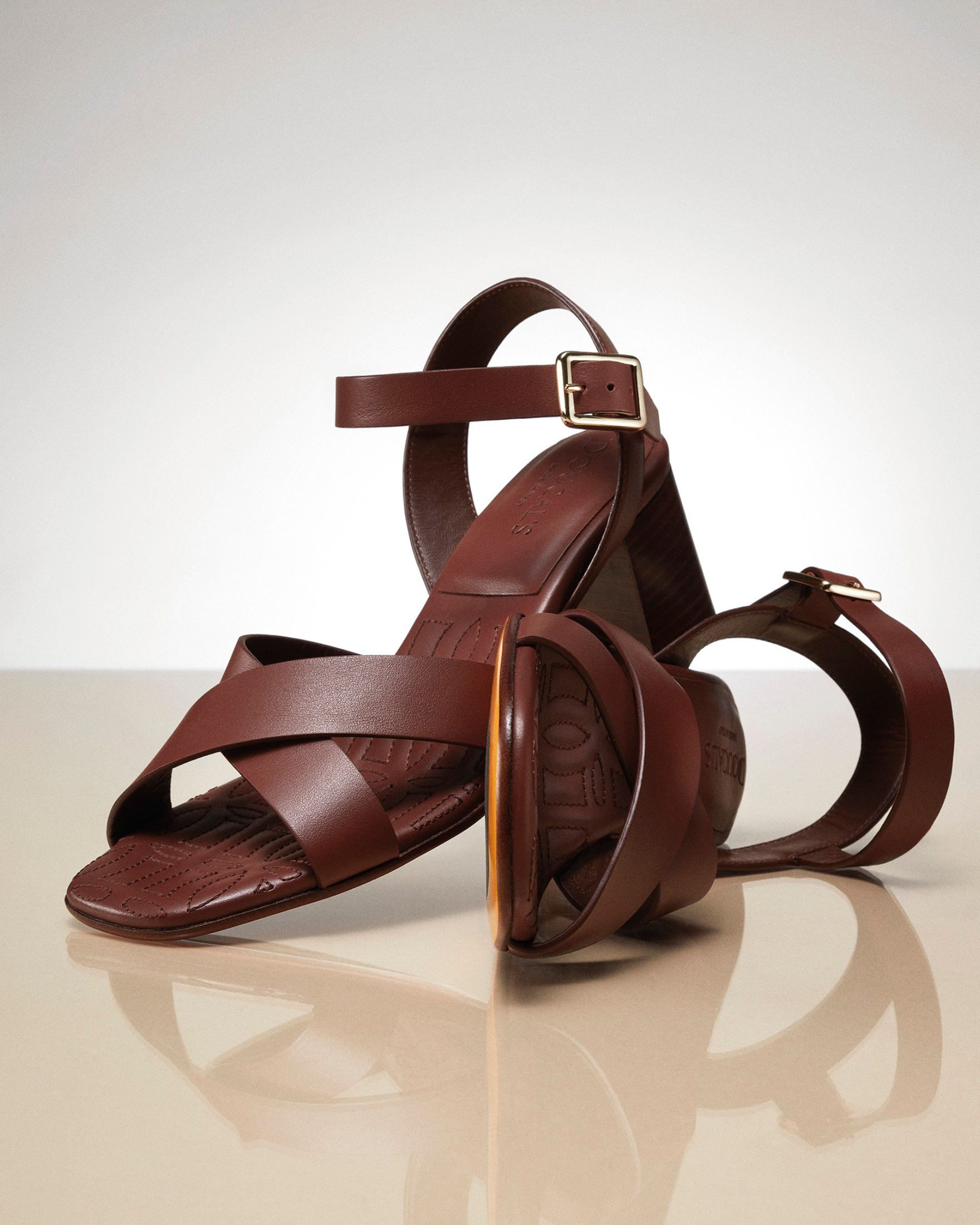
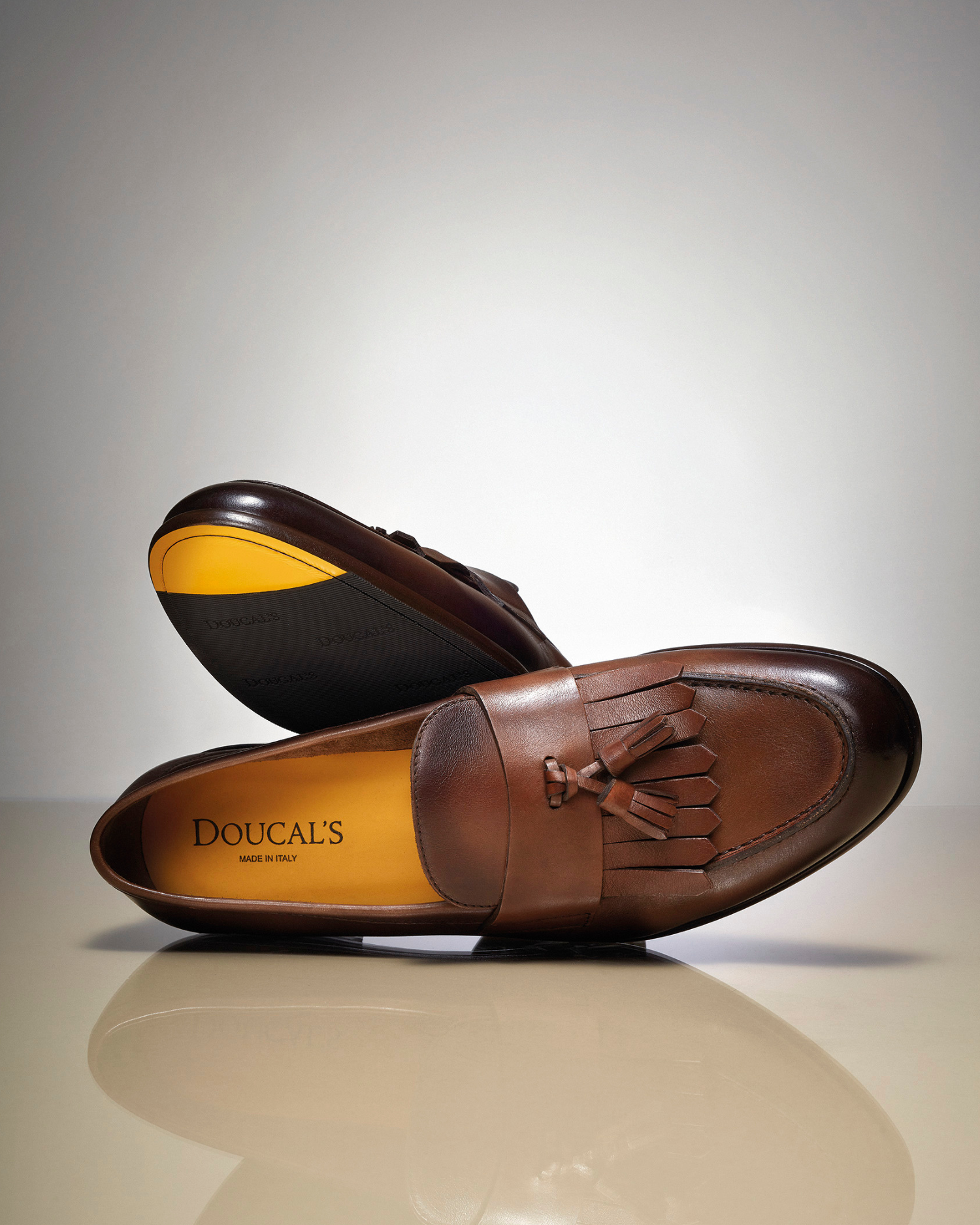
It is the same philosophy that animates the world of Doucal’s, where craftsmanship is founded on attention, knowledge of materials and the tradition of skilled hands. Just as a handcrafted shoe takes shape slowly, through precise, measured stages, sound too arises from a combination of visible and invisible actions that require discipline and patience.
Media grid
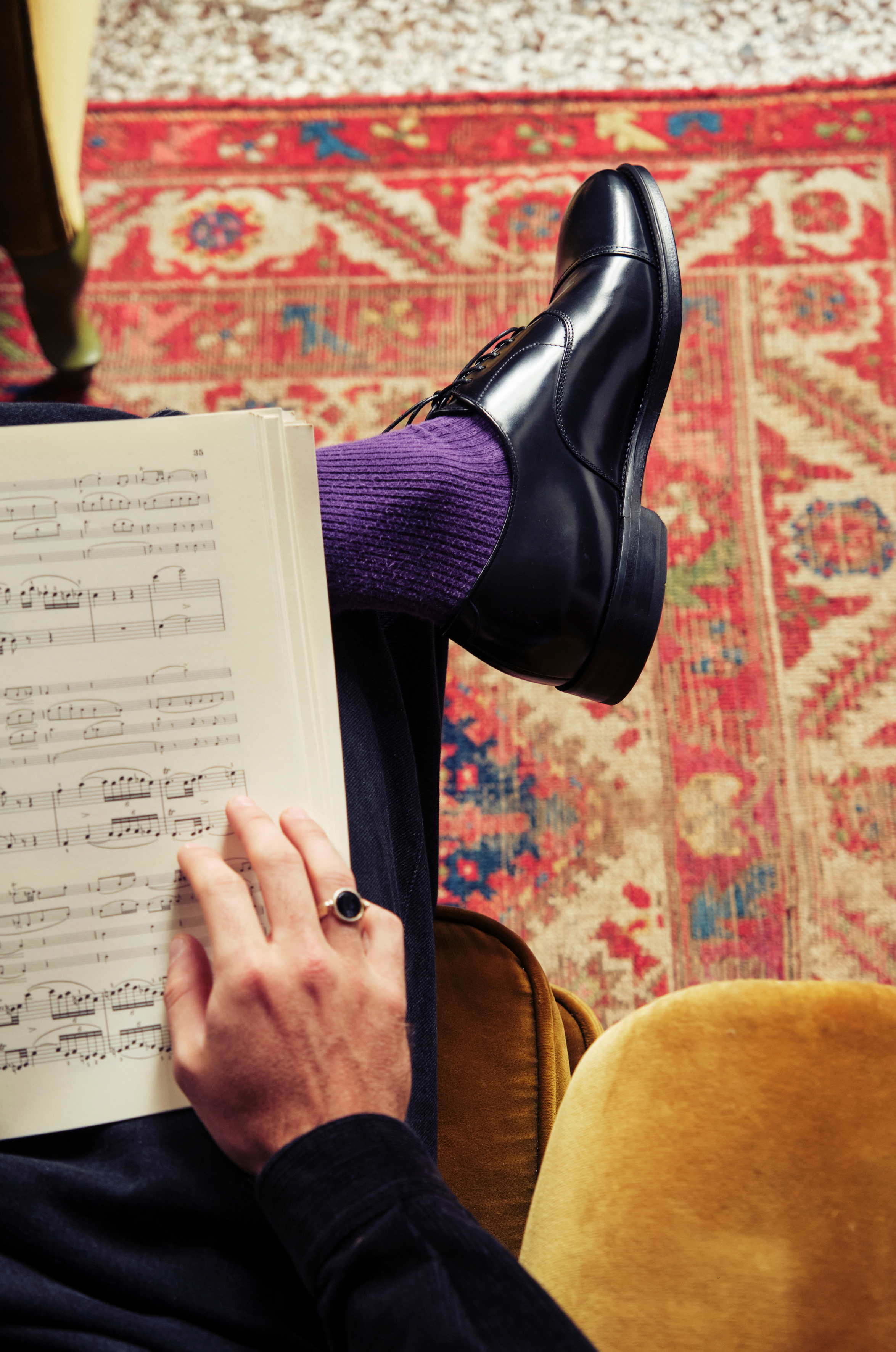
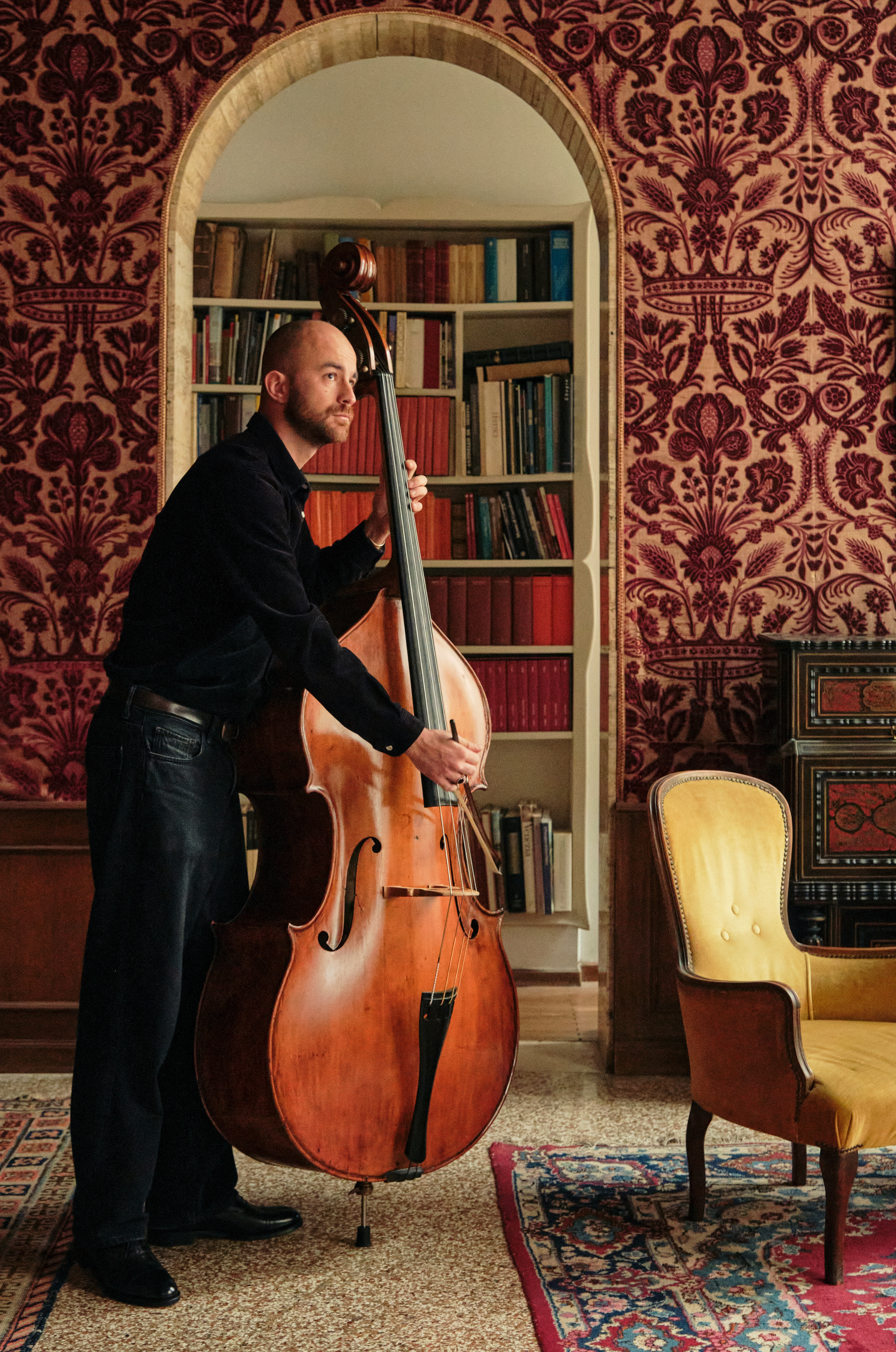
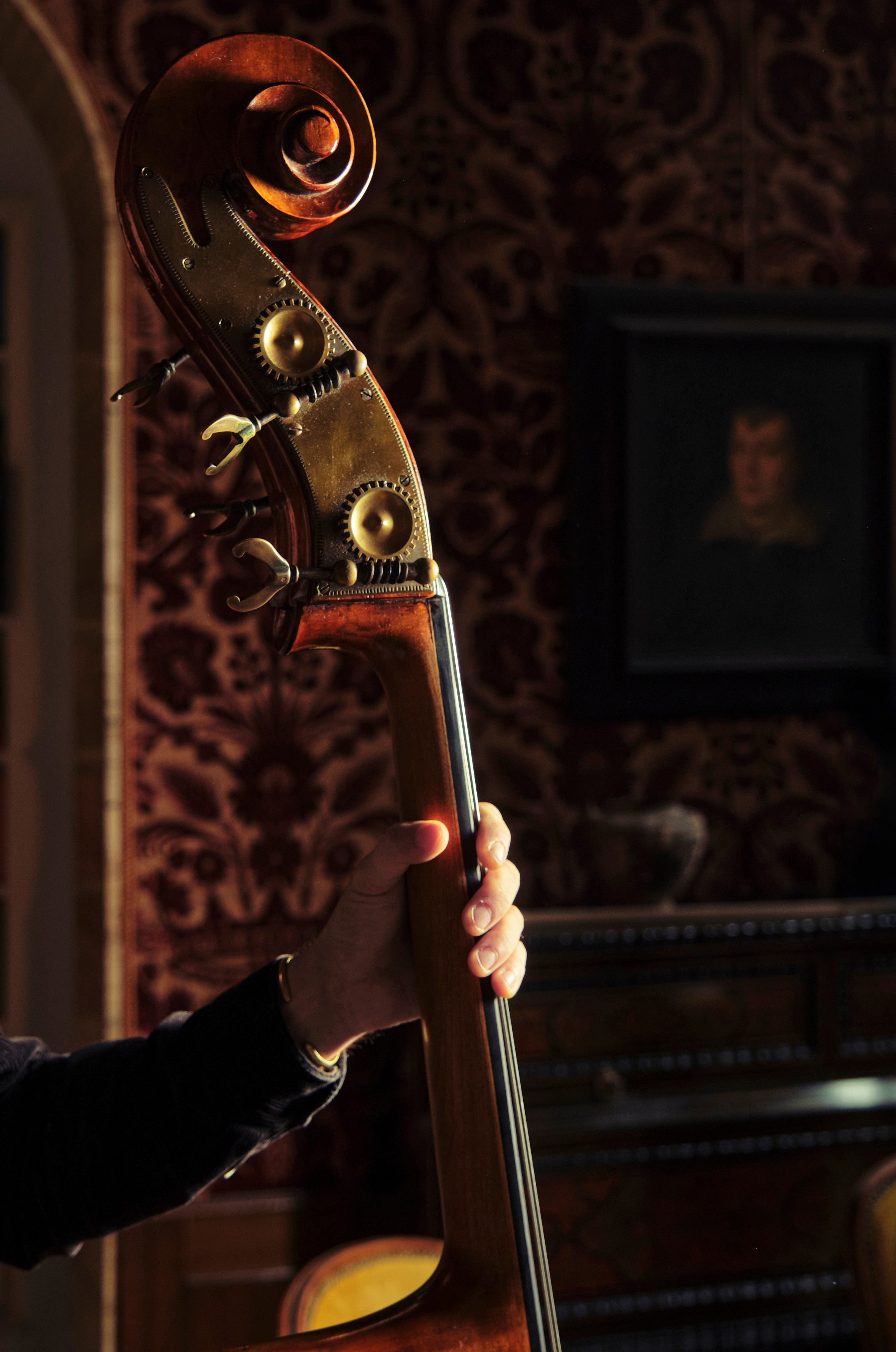
Bagnati’s musical language is rooted in a profoundly Italian identity. “The Italian way of playing is distinctive because it is intimately linked to our culture and our language”, he explains. Central to this vision is the value of collaboration. Across different musical styles and generational and cultural differences, dialogue becomes the true creative engine. In this sense, the orchestra becomes an ideal model of society: different voices that remain faithful to their own identity while learning to listen to one another.
In an era marked by digital abundance and artificial intelligence, the material dimension of musical practice – wood, strings, resonance, silence – takes on a precise cultural meaning. Slowness is not only an aesthetic choice but a stance that reaffirms the value of time and the importance of caring for even the smallest detail.
Read more
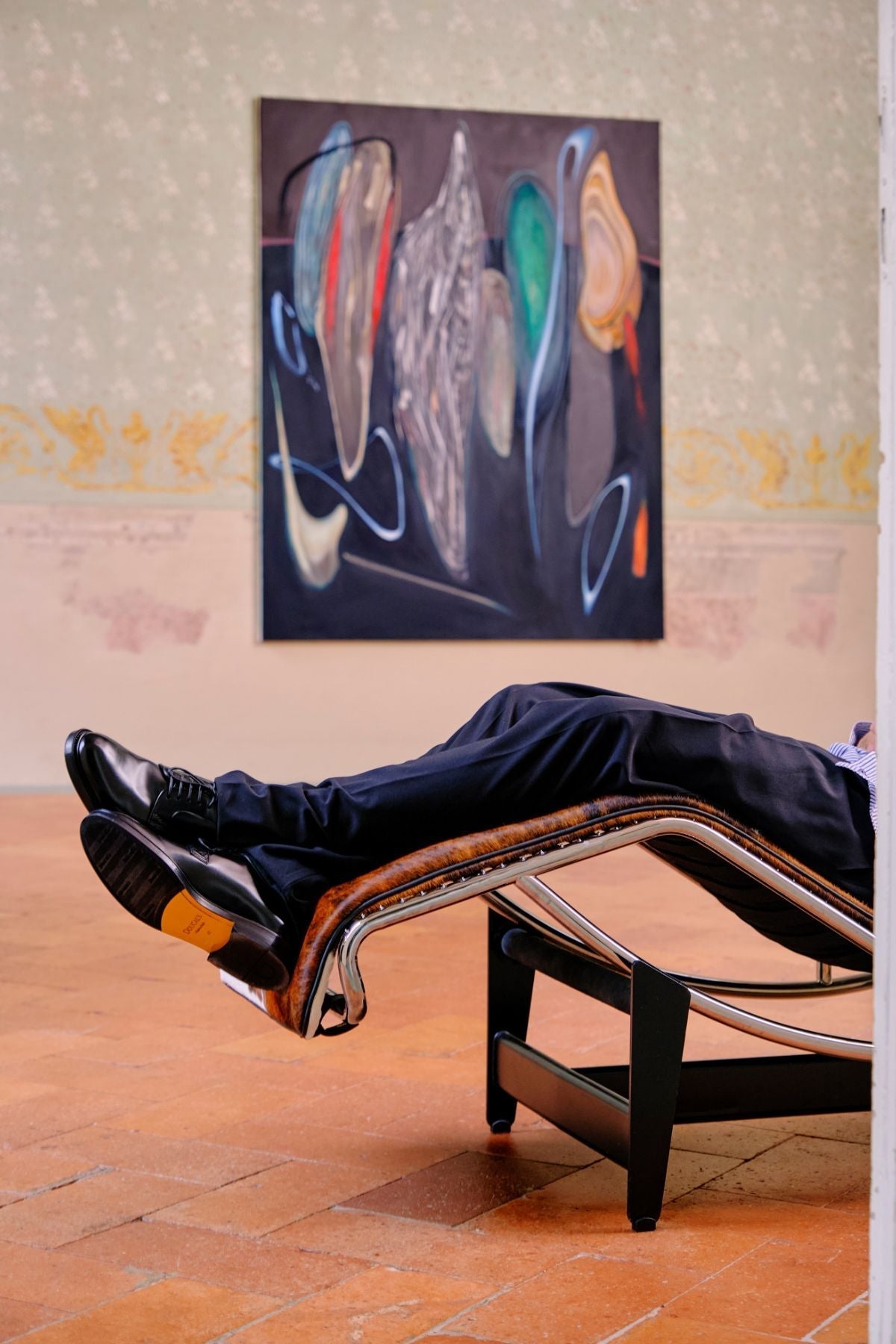
Palazzo Monti: Art, Time, and Territory in Harmony
In an increasingly fast-paced and hyperconnected world, there are places that go against thetrend, restoring time to its original value: space to observe, to think, to create. One of these isPalazz...
Read more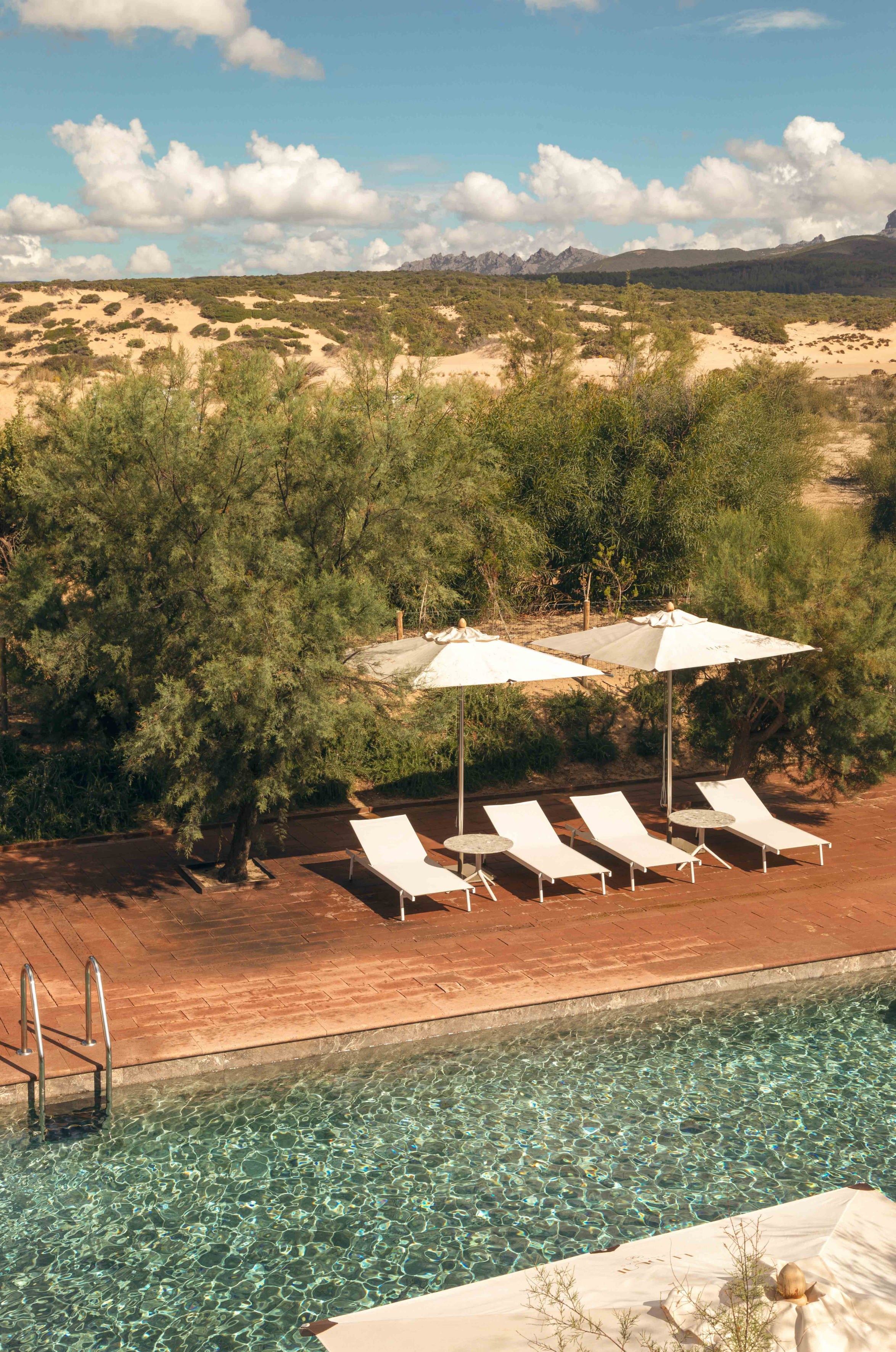
At the Mediterranean’s Edge: Le Dune Piscinas
At Europe’s southern edge, where the Mediterranean opens into something wider and more elemental, Sardinia reveals a landscape few expect to find in Italy. Along the Costa Verde, a 47-kilometre str...
Read more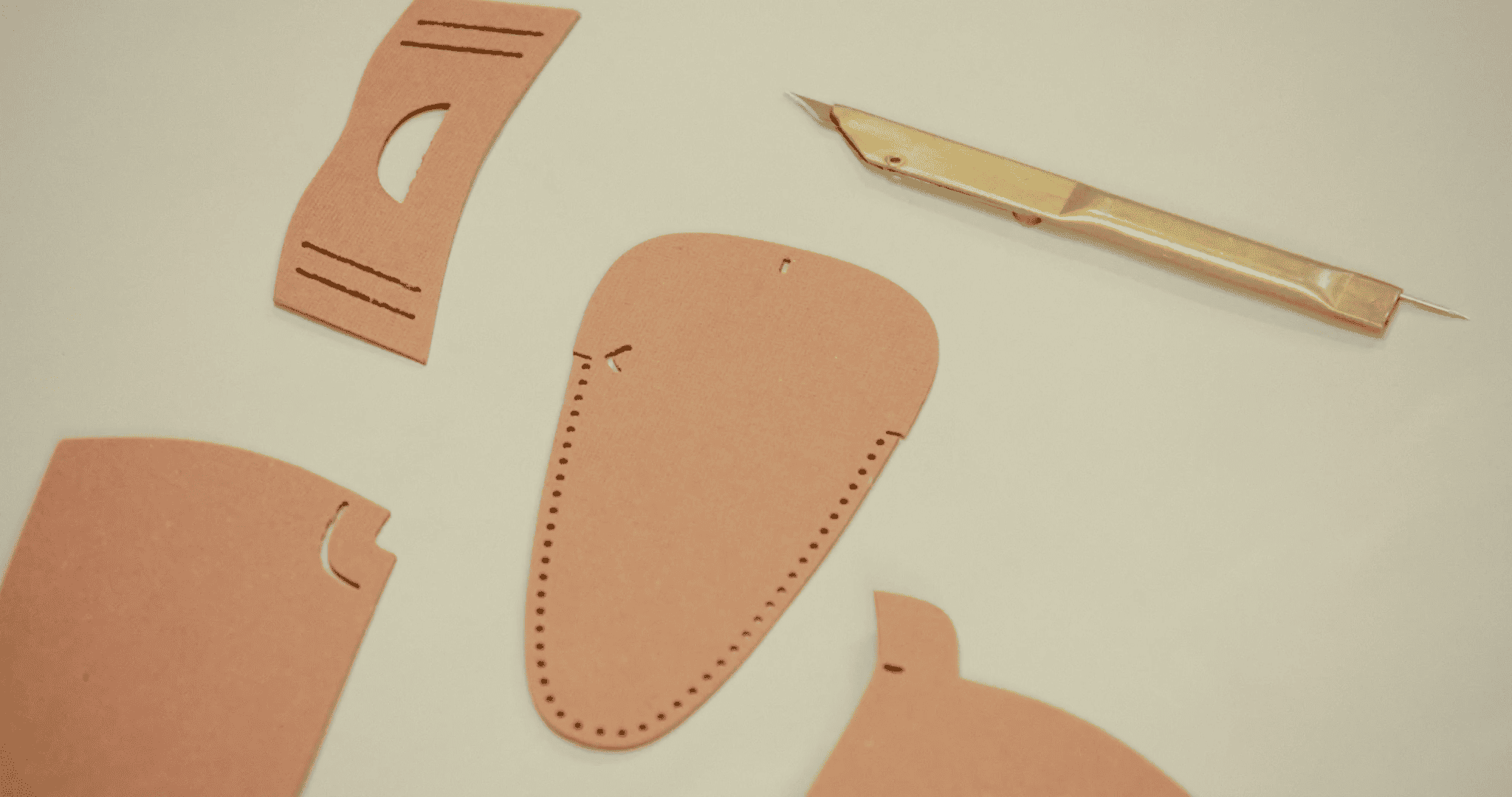
NEWSLETTER
Subscribe to receive early updates on new collections and access to exclusive benefits.
